
24 Historical Places to Visit Around the World for Beginners
Many of the spots below are well-known, well-signposted, and easy to plan around—perfect for first-time history travelers. A lot are also UNESCO World Heritage Sites (a global list of places recognized for outstanding cultural value). (UNESCO World Heritage Centre)
1) Colosseum (Rome, Italy)
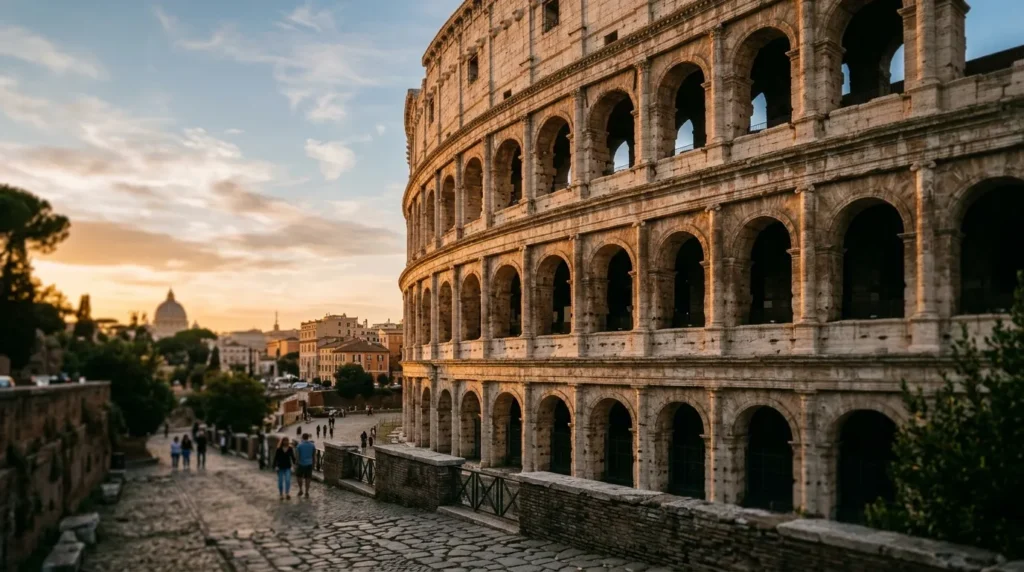
If you’re new to “big history” travel, the Colosseum is a perfect first stop: it’s iconic, central, and easy to understand even without deep background knowledge. You’ll walk around a massive ancient arena, spot the layers of arches, and instantly picture how crowds filled the seats. The site feels dramatic in photos, and it pairs well with nearby walks, cafés, and viewpoints, so your day doesn’t have to be intense or complicated.
For beginners, book a timed entry if available, go early for softer light, and plan a simple 2–3 hour visit instead of overloading your schedule. Bring water, wear comfy shoes, and keep your “must-do” list short: one good guided tour or audio guide is enough. Afterward, grab gelato and do a slow evening stroll—Rome is a history lesson without trying too hard.
2) Roman Forum & Palatine Hill (Rome, Italy)
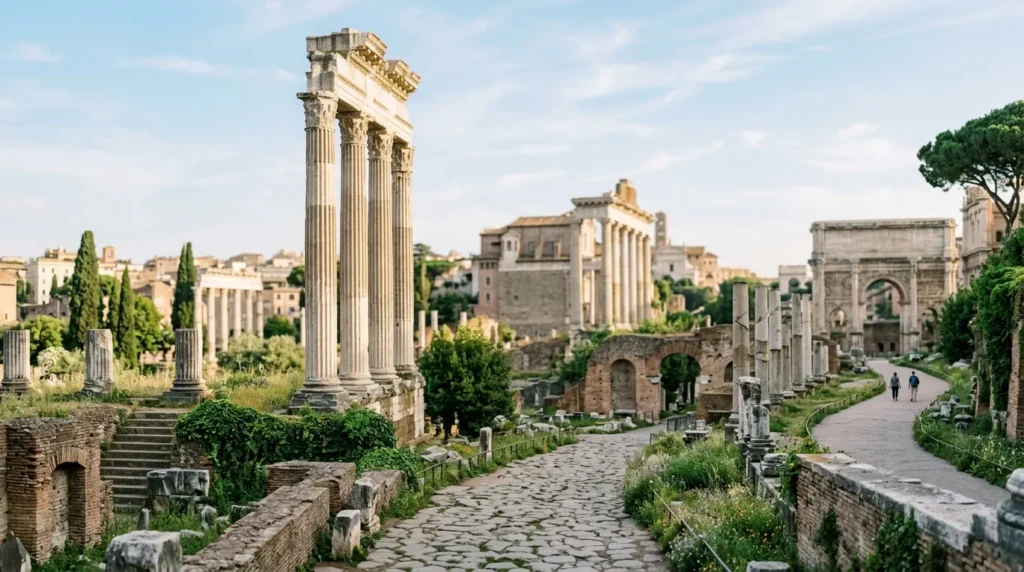
The Roman Forum is where ancient Rome’s daily life once happened—temples, public spaces, and political buildings all clustered together. For beginners, it’s amazing because you can see “ruins + layout” in one place, and it connects naturally to the Colosseum area. Palatine Hill adds a calmer, higher viewpoint, so you get the “map view” that helps everything make sense, even if you’re not a history expert.
To keep it easy, visit with a simple route: enter, follow the main path, stop at a few key points, then end with Palatine views. Midday sun can be harsh, so aim for morning or late afternoon. A short guided tour helps you “see the story” instead of just stones. Pack snacks and take breaks—this site is bigger than it looks.
3) Acropolis & Parthenon (Athens, Greece)
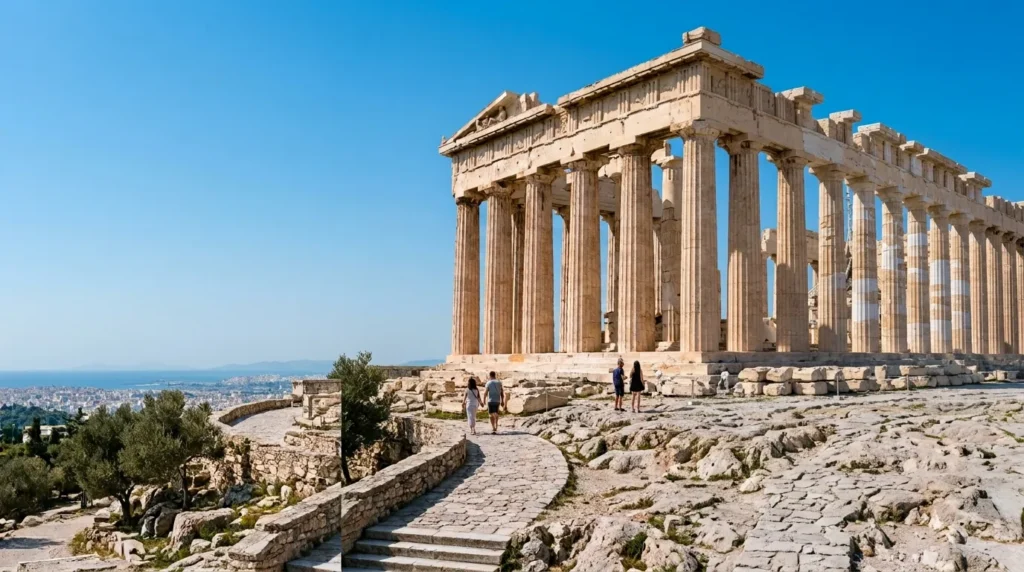
Athens is beginner-friendly because the Acropolis is a clear “main event.” You’ll climb up to a rocky hill and see the Parthenon and other ancient structures all in one dramatic setting. Even if you’ve never studied Greek history, the scale and symmetry make it feel instantly meaningful. The city around it is lively, walkable, and filled with viewpoints, cafés, and museums—so you can balance “history time” with relaxed exploring.
For a smooth first visit, go early to avoid heat and crowds, and bring a hat and water. Choose one main museum or one main neighborhood walk afterward—don’t try to do everything in one day. Take photos from below the hill too; it gives you a full “Athens skyline + ancient wonder” shot. A simple audio guide is usually enough.
4) Pompeii (Near Naples, Italy)
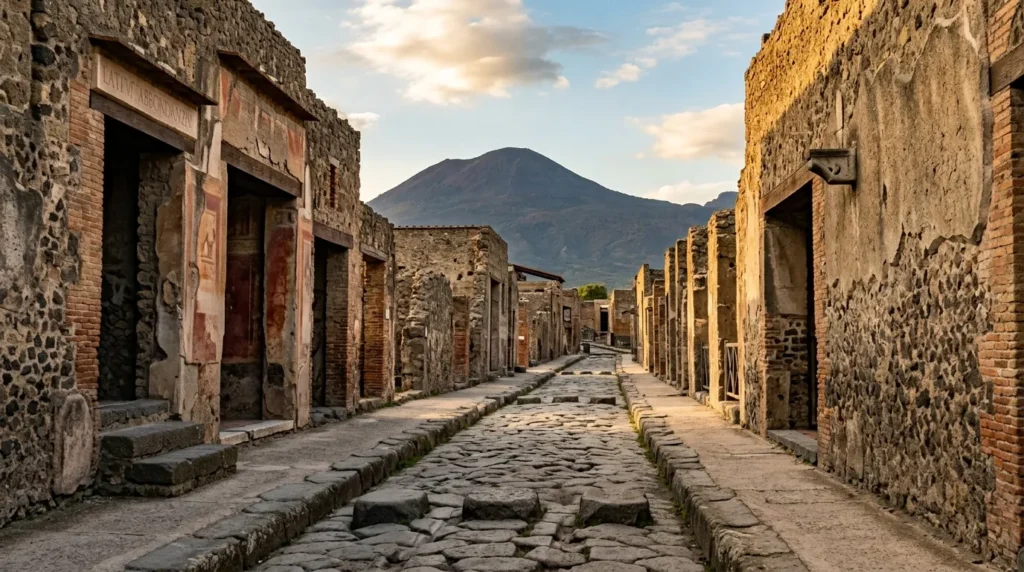
Pompeii is one of the easiest places to “feel” ancient life because it’s like walking through a real town—streets, homes, courtyards, and public spaces. Beginners love it because the story is clear: a city preserved in time. You don’t need deep research to enjoy it; you can follow main roads and still see dramatic highlights like villas, mosaics, and grand open areas. It’s history that feels visual and real.
To keep it beginner-simple, pick a half-day plan: a short guided tour, then wander a little at your own pace. Wear comfy shoes—uneven stones are everywhere. Bring water and snacks, and take breaks in shaded spots. If you want a “wow” photo, aim for long streets with Vesuvius in the background. Don’t stress about seeing it all.
5) Alhambra (Granada, Spain)
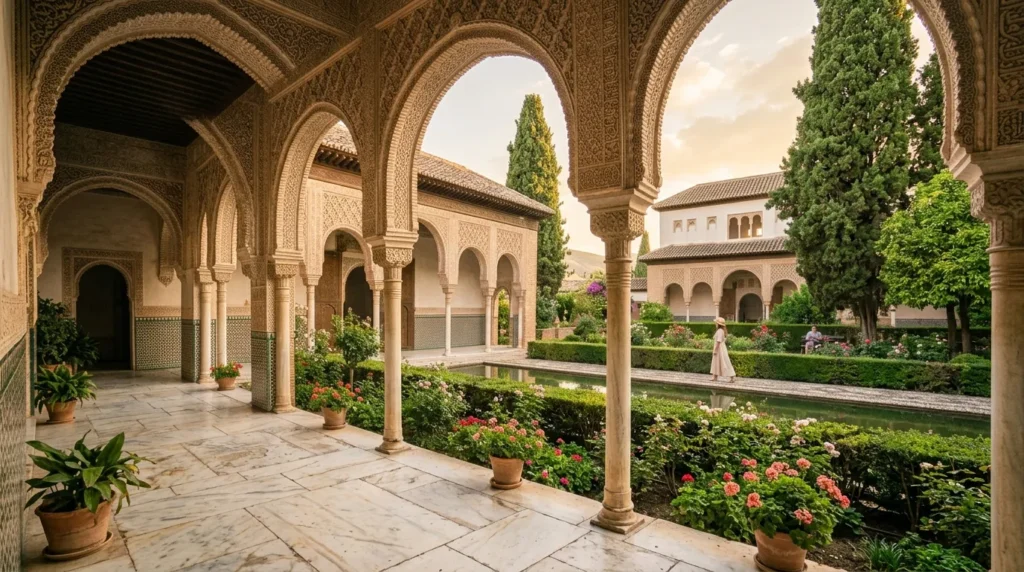
The Alhambra is ideal for beginners because it’s beautiful even if you know nothing about the timeline. You’ll see intricate carvings, peaceful courtyards, fountains, and panoramic views over Granada. It feels like stepping into a storybook—architecture, gardens, and design all in one place. The experience is more “slow and stunning” than “dense and academic,” which makes it perfect for first-time historical travel.
Because tickets can sell out, plan ahead and choose a time slot that fits your energy (morning is calmer). Keep your visit focused: one palace highlight, one garden stroll, and a viewpoint stop. Afterward, wander Granada’s old streets for tapas and sunset views. Bring a light layer—weather shifts fast. If you love photos, look for archways framing gardens.
6) Stonehenge (England, UK)
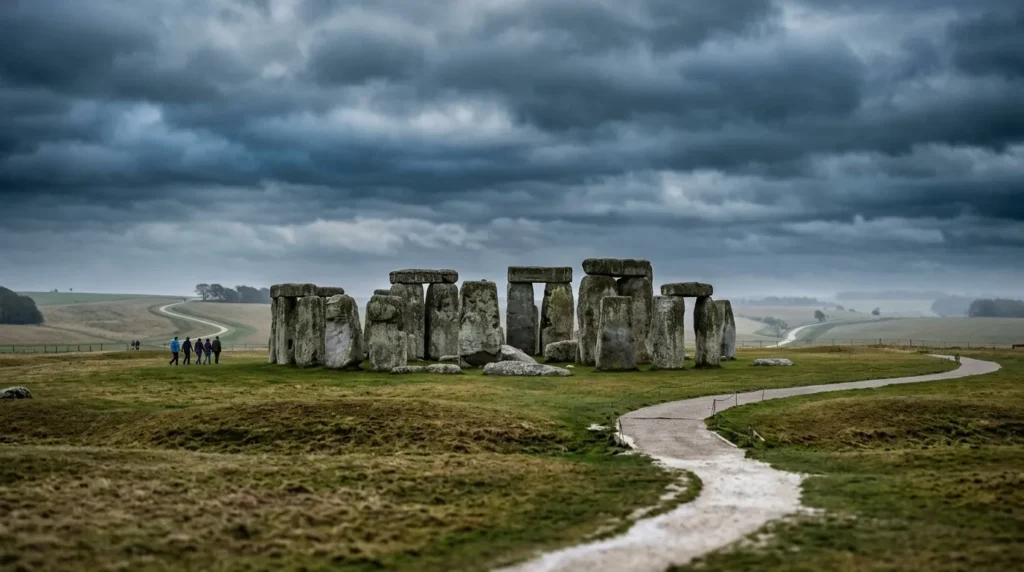
Stonehenge is beginner-friendly because it’s a simple, powerful scene: massive stones in an open landscape with a mysterious story. You don’t need to memorize dates to enjoy it. The visitor setup is structured, easy to navigate, and usually includes clear exhibits and audio guides. It’s a great “half-day historical stop” that fits nicely into a first trip to England, especially if you like iconic places that feel timeless.
To make it easy, go early or near closing for calmer vibes and better photos. Dress for wind and rain—weather changes quickly. Plan a short loop, enjoy the view, and spend extra time in the visitor center if you want context without overwhelm. Pair it with a nearby town stop for lunch so the day feels balanced and relaxed, not rushed.
7) Palace of Versailles (Near Paris, France)
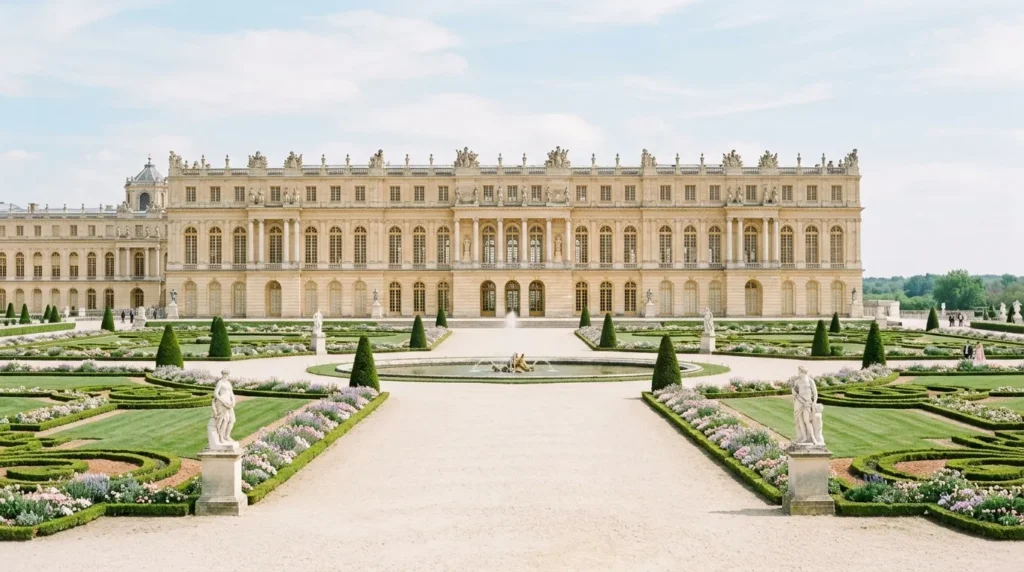
Versailles is perfect for beginners because it’s visually obvious why it matters: grand halls, gold details, and huge gardens designed to impress. You don’t need deep history knowledge to feel the scale and drama. The layout is visitor-friendly with clear routes, audio guides, and plenty of places to pause. It’s also an easy day trip from Paris, so you can combine “big city fun” with a major historical landmark.
For a smooth visit, go early, focus on key rooms, then spend most of your time outside in the gardens where it feels calmer. Wear shoes you can walk in for hours. Pack water and a small snack. If crowds stress you out, aim for weekday mornings. Photos look best in soft light—late afternoon garden shots can be amazing and less busy.
8) Prague Castle & Old Town (Prague, Czechia)
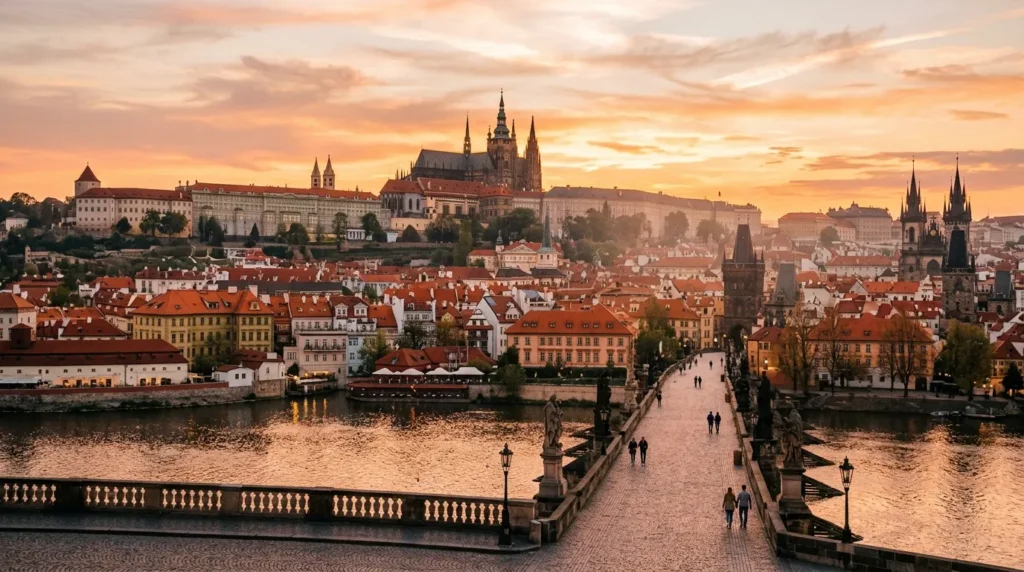
Prague is a beginner-friendly history city because the old streets do the work for you—bridges, squares, towers, and castles are everywhere. Prague Castle is a great “starter castle” because it’s easy to reach and has multiple highlights in one area. Then, Old Town gives you that classic European feel with walkable routes, viewpoints, and cozy cafés, so your day doesn’t feel like a museum marathon.
Keep it simple: choose one castle route, one scenic walk, and one viewpoint for sunset. Take breaks often—Prague is best enjoyed slowly. Morning is great for castle views; evenings are perfect for Old Town atmosphere. Try a short guided walk if you want stories without doing tons of research. Photos pop when you capture rooftops from above.
9) Historic Centre of Florence (Florence, Italy)

Florence is a gentle introduction to historical travel because the city itself is the attraction. You’ll see Renaissance architecture, famous squares, and stunning cathedral views without needing complicated transport or planning. Everything is close together, walkable, and full of “wow” moments—perfect for beginners who want history with a side of cafés and shopping. It’s also an easy place to learn how to pace your day: walk, stop, snack, repeat.
For a beginner itinerary, pick one major museum or landmark (not three), then balance it with city wandering. Early morning is best for quiet photos near the Duomo. Bring comfy shoes—cobblestones are real. End your day at a viewpoint for sunset. Florence rewards slow travel, so leave space for random discoveries.
10) Pyramids of Giza (Cairo, Egypt)
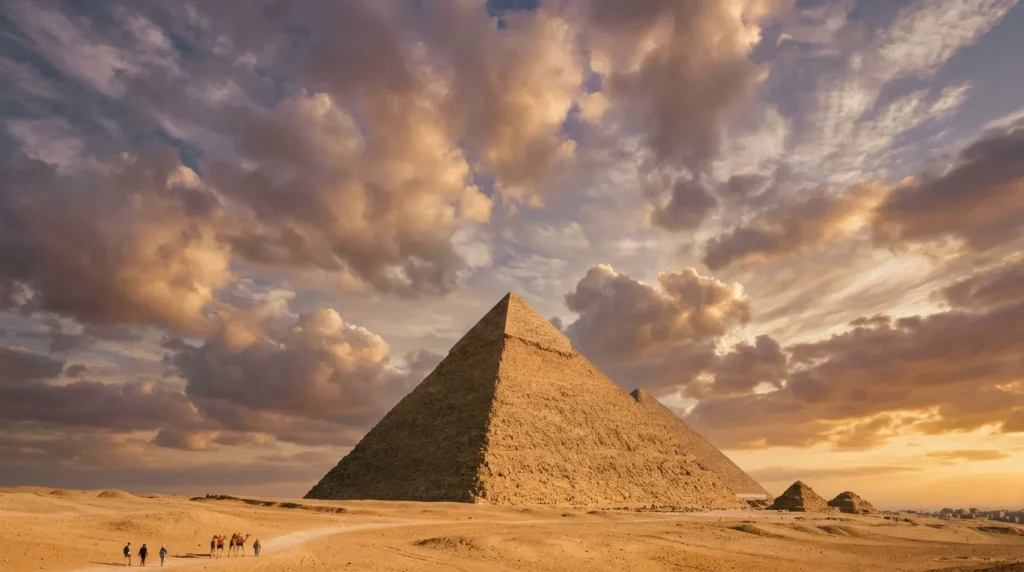
The Pyramids of Giza are one of the most beginner-friendly “ancient world” experiences because the impact is instant—you see them and your brain goes “wow.” You don’t need to understand every detail to feel the scale. The site is iconic, easy to recognize, and offers clear photo spots that make your trip feel unforgettable. It’s the kind of place that turns a normal vacation into a true “I can’t believe I’m here” moment.
To keep it smooth, go early for cooler weather and softer light, and plan a simple route with plenty of water breaks. Keep expectations realistic: it’s a big, open area, so comfort matters. Choose one good viewpoint, take your photos, then slow down and just soak it in. A short guide can help you avoid confusion and make the visit easier.
11) Luxor Temples (Luxor, Egypt)
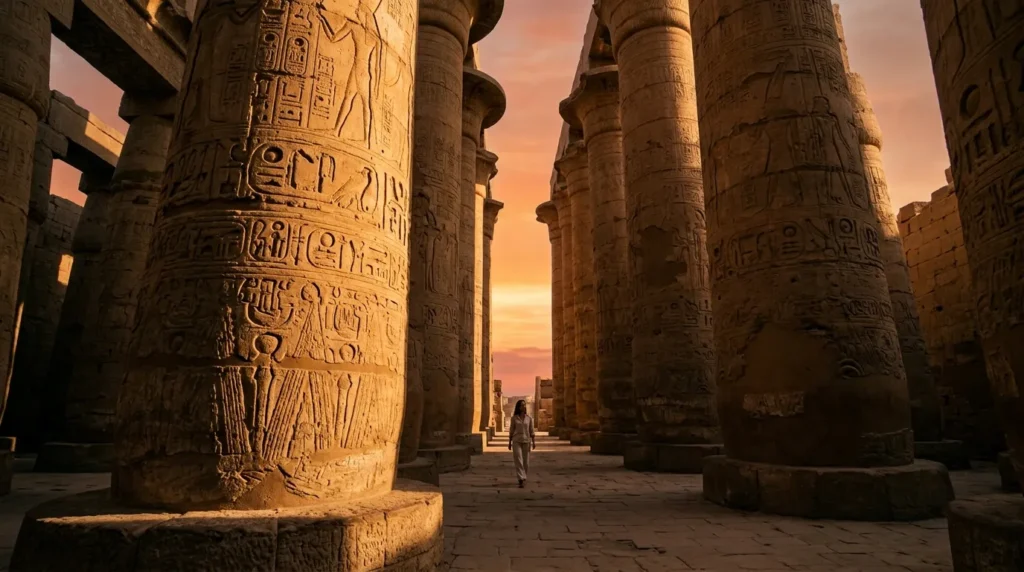
Luxor is often called an open-air museum, but it can still be beginner-friendly if you keep your plan simple. The temples and columns are visually powerful, and the carvings make history feel real even if you’re not sure what every symbol means. The best part: you can choose just one major site and still feel like you experienced something huge. It’s a great next step after Giza if you want more depth.
For an easy day, pick one temple and one calm add-on (like a short river view or market walk). Go early or late to avoid heat. Bring water, sunscreen, and a hat. Don’t try to “do everything”; Egypt rewards pacing. Photos look incredible when the sun is low and the stone textures glow. A guide for one hour can be plenty.
12) Petra (Wadi Musa, Jordan)
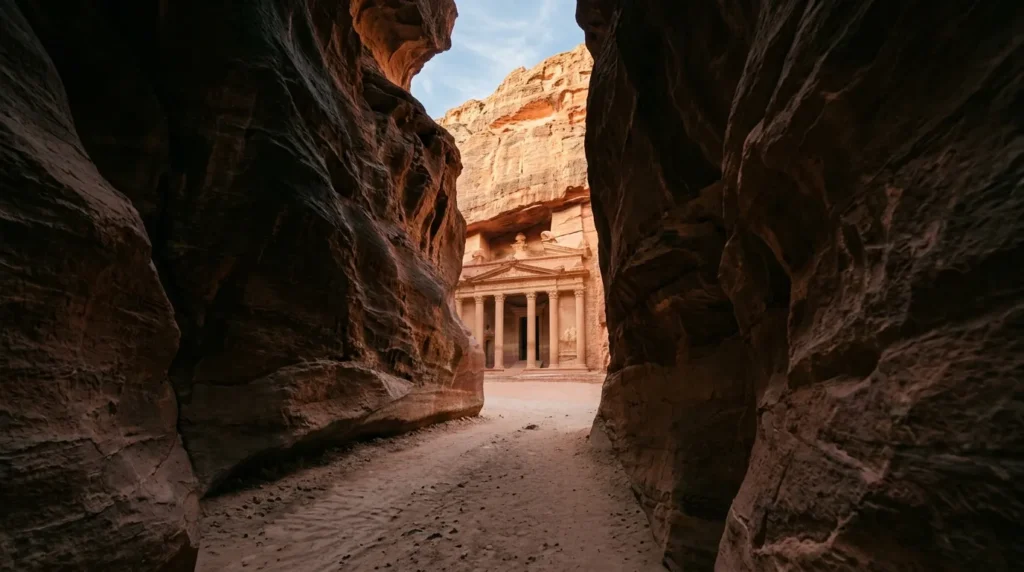
Petra is beginner-friendly because the journey is straightforward: you walk through a dramatic canyon and suddenly reach an iconic carved façade. The experience feels like a movie scene, but it’s also well-established for visitors. Petra’s history is deeply connected to the Nabataean city carved into rock, and it’s one of the world’s most famous archaeological sites. (UNESCO World Heritage Centre)
To keep it easy, start early and pace yourself—there’s more walking than most people expect. Wear sturdy shoes and bring water. If you’re new to long site visits, choose one main highlight plus one extra viewpoint, then head back before you’re exhausted. Take breaks in shaded areas and enjoy the scenery slowly. This place isn’t about rushing; it’s about the “wow” moments.
13) Istanbul’s Historic Peninsula (Türkiye)
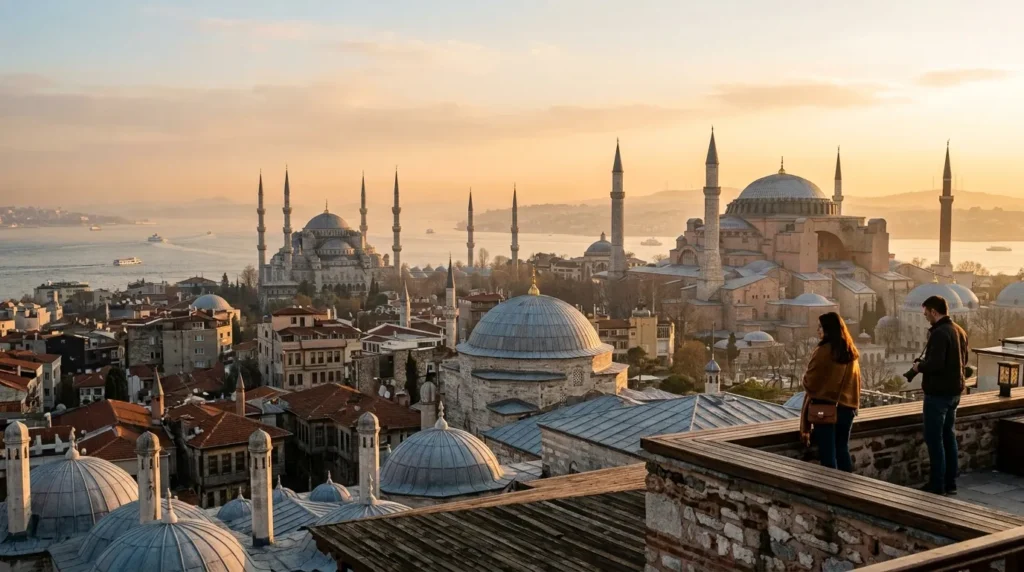
Istanbul is a great beginner history destination because it mixes famous landmarks with easy city comforts. You can see world-changing architecture, then immediately find food, ferries, and beautiful neighborhoods nearby. The historic peninsula gives you that “ancient meets empire” feeling without needing a complicated itinerary. Even if you don’t know the full timeline, the visuals—domes, courtyards, tiles, and skyline views—make it memorable and easy to enjoy.
For beginners, focus on one major landmark in the morning, one museum or palace in the afternoon, and a sunset viewpoint. Avoid overbooking your day because lines can happen. Wear shoes you can walk in, and plan snack breaks. Istanbul is best experienced with a relaxed pace: walk, explore, sit for tea, repeat. Your photos will thank you.
14) Taj Mahal (Agra, India)
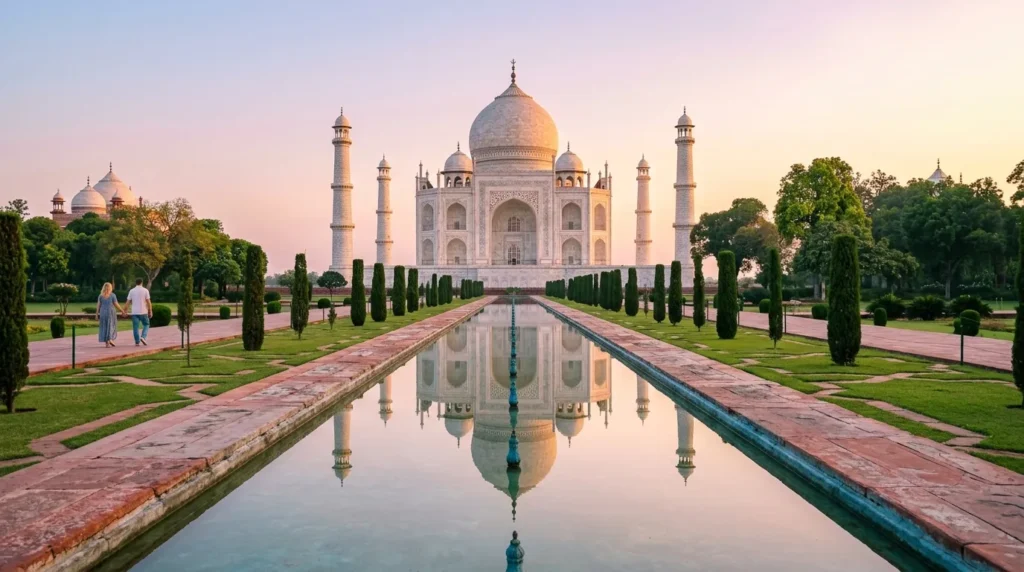
The Taj Mahal is beginner-friendly because it’s visually clear and emotionally powerful—perfect symmetry, white marble, and a calm garden layout that’s easy to follow. It’s also widely recognized as a major world heritage site, so you’ll find plenty of visitor support and guides. The story of it being built as a tribute makes the visit feel personal even if you’re not a “history person.”
To keep your visit simple, go at sunrise for softer crowds and dreamy photos. Bring water and plan a short, focused visit: main gate view, reflection pool photo, close-up marble details, then a slow garden walk. If you want more context, hire a guide for one hour. Afterward, rest—Agra can be intense, so pacing helps.
15) Amber Fort (Jaipur, India)
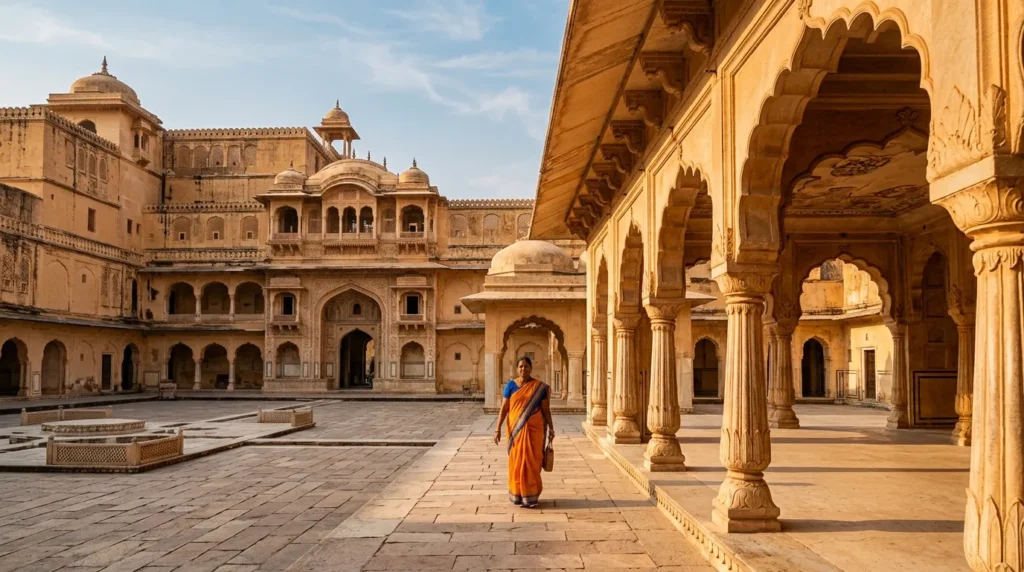
Amber Fort is a great beginner historical site because it’s easy to navigate and packed with visual variety—courtyards, gates, decorated halls, and panoramic views. You’ll get that “royal fortress” feeling without needing to study anything beforehand. The mix of grand architecture and scenic location makes it feel like a complete experience in just a few hours, which is perfect if you’re still learning how to pace historical sightseeing.
For a smooth trip, go early and bring water. Choose a simple route: entrance, main courtyards, one standout hall, then a viewpoint. Don’t rush; the best moments come from stopping to look at patterns and details. Pair it with Jaipur’s city sights in the afternoon, but keep your schedule light. Good photos happen in the shade of arches.
16) Great Wall (China)
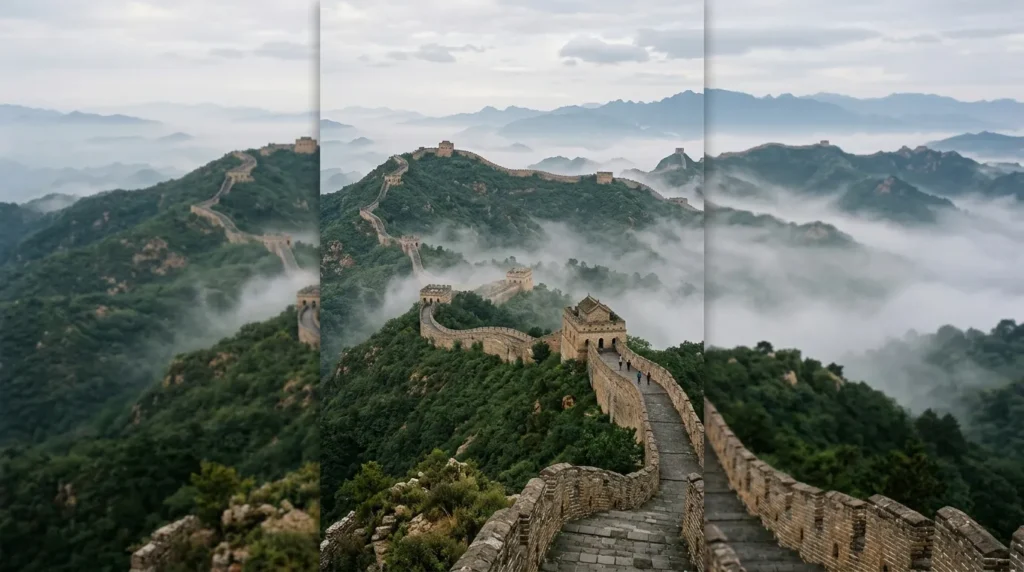
The Great Wall is beginner-friendly because it’s a clear, unforgettable concept: a giant structure stretching across mountains. You don’t need to know every dynasty to feel the scale. Many sections are set up for visitors with paths, signage, and easy transport options from major cities. It’s also flexible—you can choose a calmer section if you want an easier walk, or a more rugged section if you want a mini-adventure.
Keep it simple by picking one section and planning a half-day. Start early to avoid crowds and heat, and wear shoes with good grip. Bring water and snacks, and don’t try to “see it all.” Focus on one beautiful viewpoint and enjoy the scenery. Photos look best when the wall curves into the distance, so look for higher angles.
17) Forbidden City (Beijing, China)
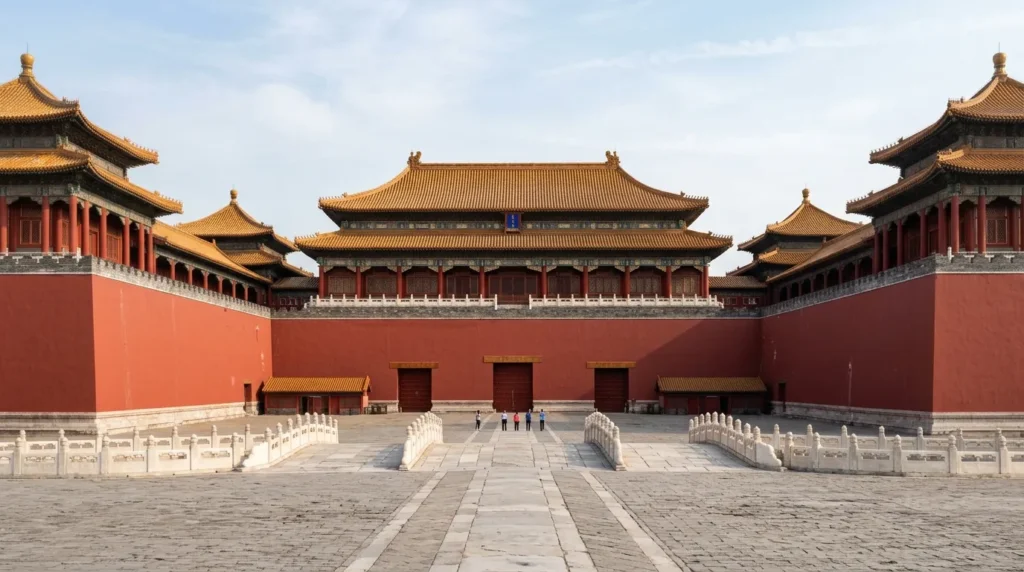
The Forbidden City is a beginner-friendly history stop because it’s organized like a story you can walk through—grand gates, courtyards, halls, and a clear forward route. The architecture is bold and photogenic, and the scale gives you that “imperial world” feeling instantly. You don’t need deep knowledge to enjoy it, because each area feels distinct and the experience is naturally structured for visitors.
For an easy day, arrive early and plan a calm pace with breaks. Choose a few key photo moments, then spend extra time absorbing details instead of sprinting through everything. Bring water and comfortable shoes—there’s a lot of walking. Pair it with a nearby park viewpoint afterward for a relaxing finish. A simple audio guide helps connect the spaces to the story.
18) Angkor Wat (Siem Reap, Cambodia)
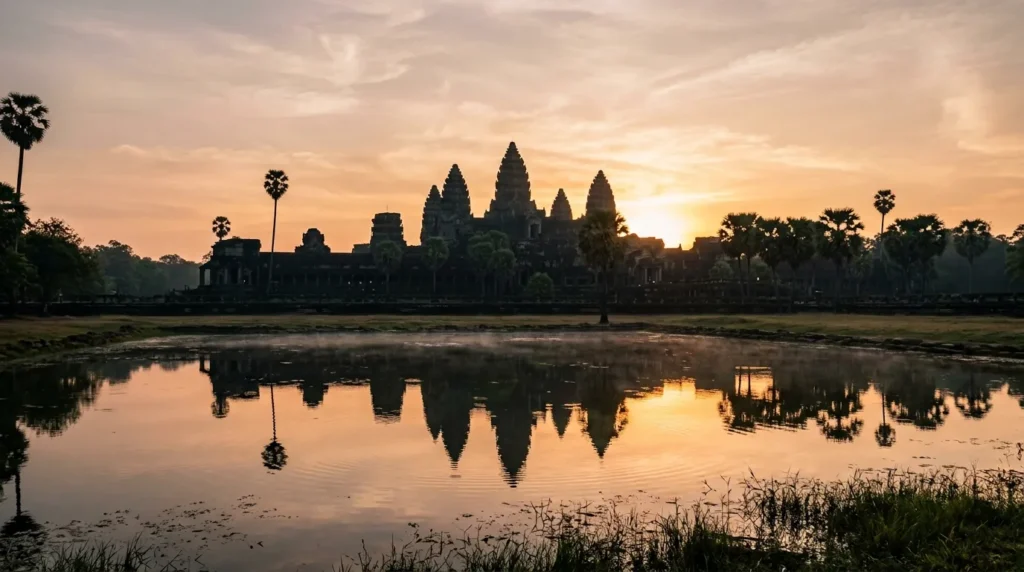
Angkor is beginner-friendly because it’s one of the most famous temple landscapes in the world, and the main highlights are easy to access with clear visitor routes. The site includes the incredible remains of Khmer Empire capitals, with Angkor Wat as the headline, and it’s widely supported by tours and local transport options. (UNESCO World Heritage Centre)
To keep it manageable, pick a “small circuit” first: one sunrise spot, two major temples, then stop. Don’t try to do ten temples in one day—heat and walking add up fast. Bring water, sun protection, and a light snack. If you want better photos, go early and aim for soft light on carvings. A guide for a few hours can make the symbolism feel accessible.
19) Hoi An Ancient Town (Vietnam)
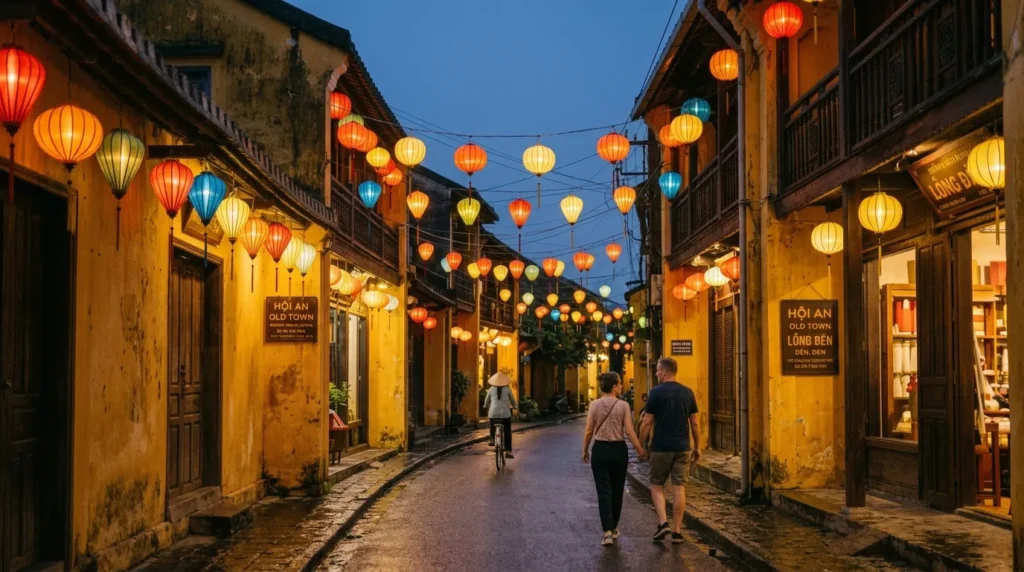
Hoi An is a beginner-friendly historical destination because it’s gentle—more about atmosphere than huge monuments. You’ll wander through old streets, see traditional buildings, riverside views, and iconic lantern scenes that feel instantly special. It’s easy to enjoy without planning, and it’s a great place to practice “slow travel”: walk, snack, take photos, and discover small corners without the pressure of big museum routes.
For an easy first visit, go in late afternoon and stay into evening when lanterns glow. Keep your plan simple: one scenic walk, one temple or old house stop, and a river view. Wear comfortable shoes and bring a small umbrella if needed. Photos look best at blue hour with lantern reflections. It’s history in a relaxed, beginner-friendly package.
20) Kyoto Temples (Kyoto, Japan)
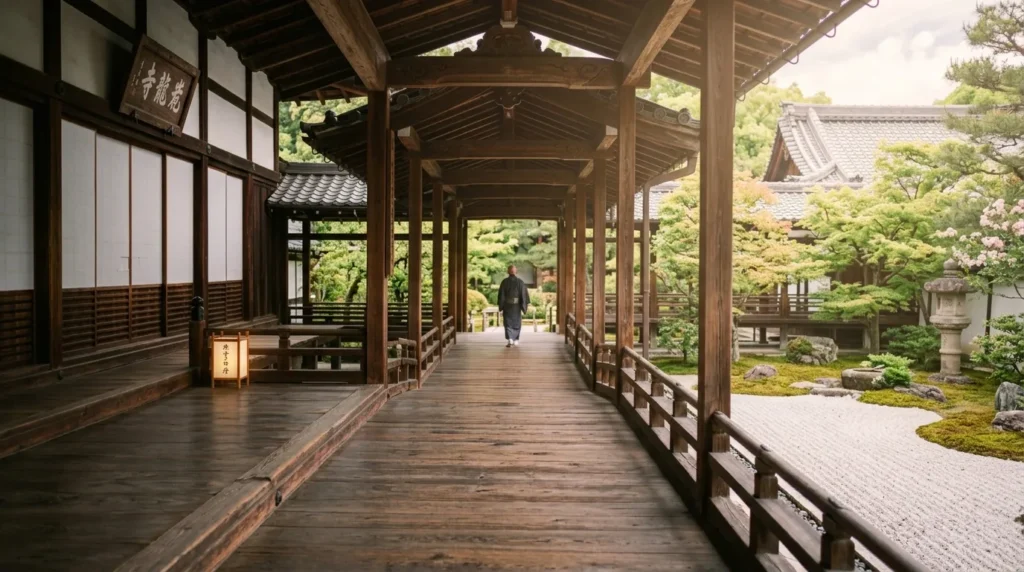
Kyoto is fantastic for beginners because it offers “history + calm” in a very visitor-friendly way. Temples, shrines, gardens, and traditional neighborhoods are easy to access, and the experience isn’t just about facts—it’s about mood, design, and quiet beauty. Even if you don’t know every era, you’ll understand the feeling: timeless streets, wooden gates, stone paths, and peaceful landscapes that make history feel personal.
To keep it simple, choose two main sights in one day, not six. Start early for quiet paths and better photos. Use public transport or short taxi rides to save energy. Take breaks at tea shops and don’t rush. If you want a “beginner win,” pick one famous temple area plus one calm neighborhood walk. Kyoto rewards slow pacing and mindful exploring.
21) Machu Picchu (Peru)
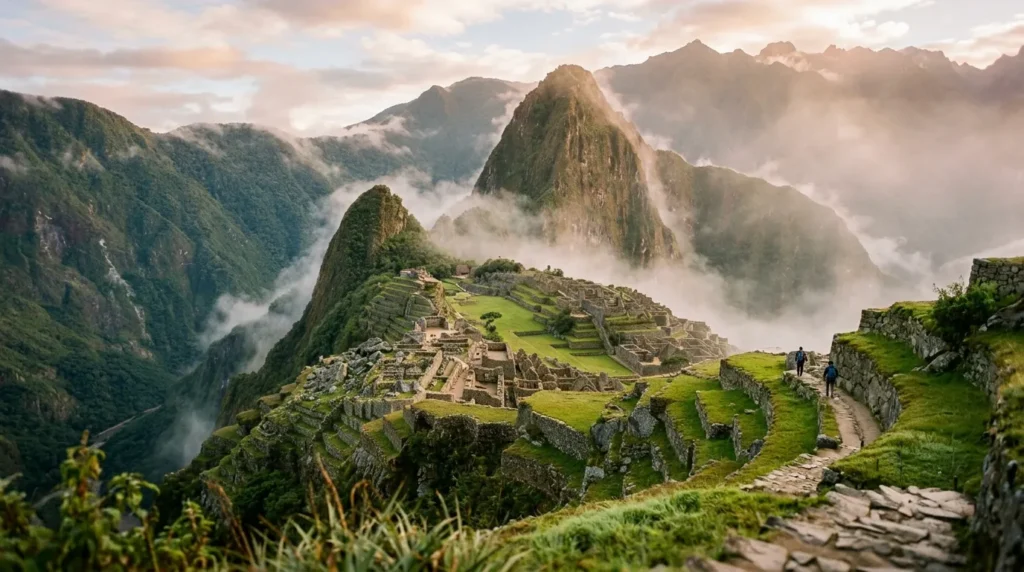
Machu Picchu is beginner-friendly in a surprising way: even though it’s high in the Andes, the visitor experience is structured with clear routes, entry controls, and established transport options. It’s a spectacular Inca-era citadel set among mountain slopes and peaks, and its drama is immediate—the scenery alone tells you it’s special. UNESCO notes it as a property with outstanding cultural and natural value. (UNESCO World Heritage Centre)
To keep it easy, plan ahead and choose one main circuit rather than trying to see every corner. Start early for cooler weather and softer photos. Bring layers, water, and steady shoes. If you’re new to altitude, take it slow and build rest time into your day. Don’t overload your Cusco schedule either—your best experience comes from pacing, not pushing.
22) Chichén Itzá (Yucatán, Mexico)
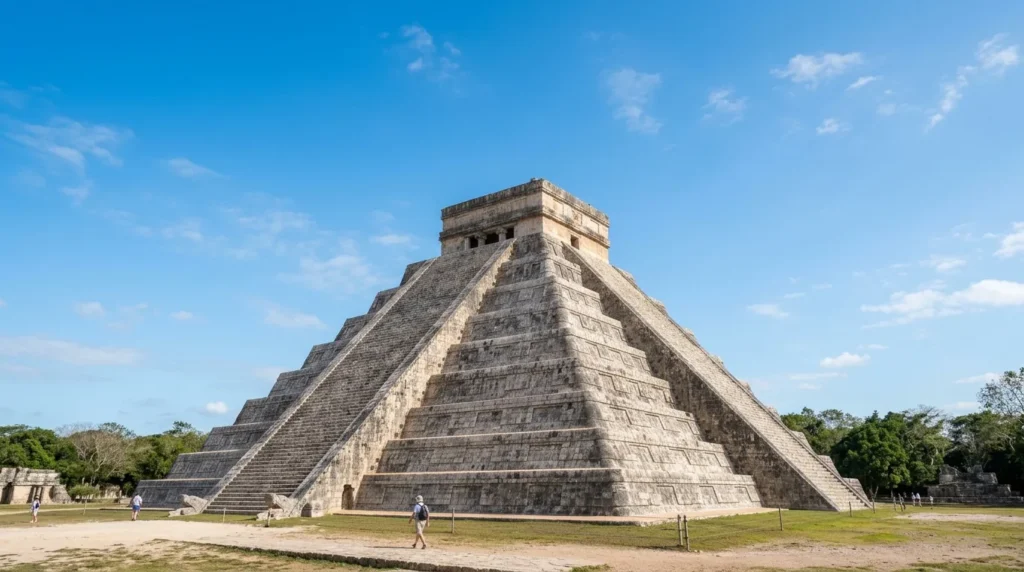
Image Prompt: Vertical 2:3, El Castillo pyramid at Chichén Itzá, bright clear sky, minimal crowd, crisp stone detail, travel documentary style.
Chichén Itzá is a beginner-friendly “ancient wonders” stop because the main pyramid is instantly recognizable and the site layout is easy to follow. You can walk from landmark to landmark without getting lost, and the scale is impressive without feeling overwhelming. It’s a great introduction to Mesoamerican history because you’ll leave with clear memories: pyramid views, wide open spaces, and strong photo moments.
For a smooth visit, go early to avoid heat and crowds. Bring water, sun protection, and comfy shoes. Keep your plan simple: one slow loop, a few key stops, then take a break in the shade. If you want extra context, hire a guide for 60–90 minutes. Photos look best when you capture the pyramid from a low angle with open sky.
23) Teotihuacan (Near Mexico City, Mexico)
Teotihuacan is great for beginners because it feels like a “real ancient city” you can walk through in a straight line. The Avenue of the Dead makes navigation easy: you move from major structures to major structures without confusion. The pyramids are huge and dramatic, and the open layout helps you understand the site’s scale quickly. It’s also a popular day trip, so planning and transport options are straightforward.
To keep it beginner-friendly, start early and bring water, a hat, and snacks. If you climb steps, go slowly and take breaks—there’s no need to rush. Choose one pyramid climb (or none) and focus on viewpoints instead. Pair it with a relaxed afternoon in Mexico City. Photos are best in soft morning light when shadows show the structure.
24) Cartagena’s Walled City (Colombia)
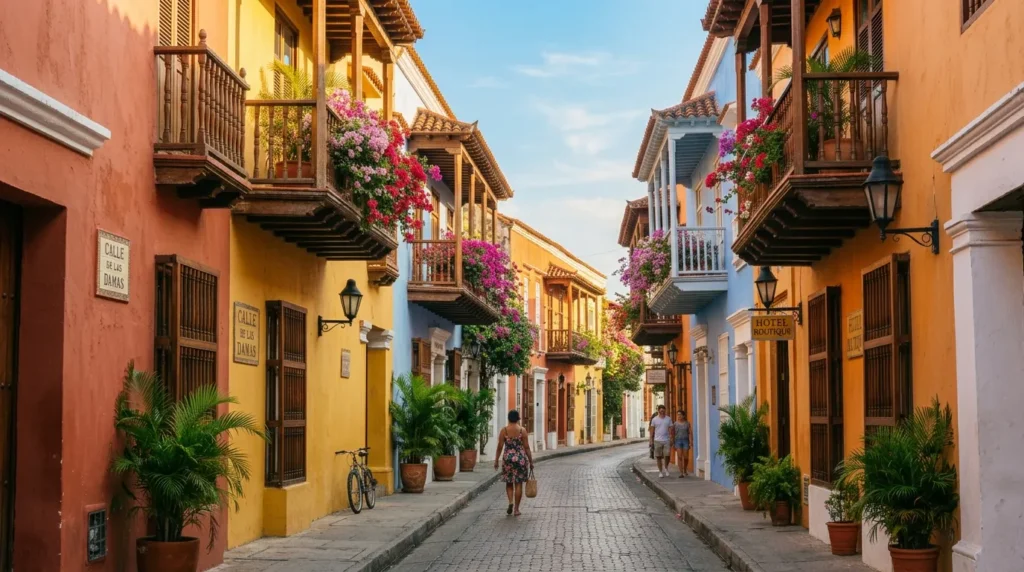
Cartagena is a beginner-friendly historical destination because the history is built into everyday life—walls, old streets, plazas, and colonial buildings you can explore at your own pace. You don’t need tickets for most of the experience; you simply walk and feel the atmosphere. It’s perfect if you want “history travel” without long museum days, and it’s easy to mix with food, cafés, and sunset views.
For an easy plan, do a morning walk when it’s cooler, then take a long lunch break. Explore the walls near sunset for views and photos. Wear light clothing and comfortable shoes. Don’t over-schedule—Cartagena shines when you wander. A short guided walking tour can help you catch the main stories, then you can spend the rest of your time enjoying the vibe.