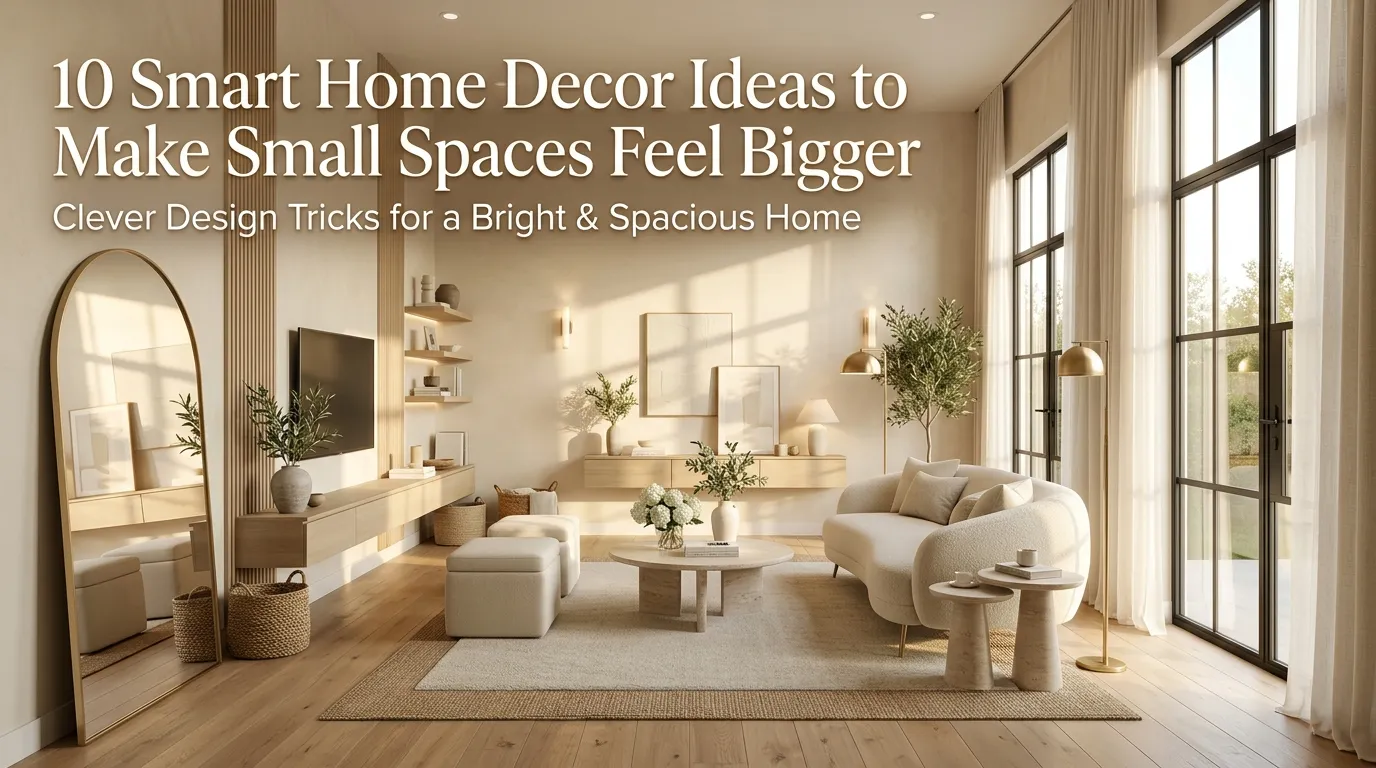
10 Smart Home Decor Ideas to Make Small Spaces Feel Bigger
Living in a smaller home doesn’t mean sacrificing comfort or style. In fact, some of the most beautiful interiors prove that thoughtful decorating can make even the coziest spaces feel open, inviting, and effortlessly functional. Whether you’re decorating a compact apartment, a townhouse, a small living room, or simply trying to maximize every square foot, the right design choices can completely transform how your home looks and feels.
I’ve noticed that many people assume making a room feel larger requires expensive renovations or knocking down walls. In reality, it’s often the smaller details—like choosing the right furniture, improving natural light, or creating visual flow—that have the biggest impact. One simple change can make a room feel brighter, more spacious, and far more comfortable to live in.
The best part is that these decorating ideas work for nearly every style. Whether you love modern minimalism, cozy farmhouse charm, Scandinavian simplicity, or timeless traditional interiors, the principles remain the same. Smart decorating isn’t about filling every corner—it’s about making every piece work harder while creating a home that feels balanced and welcoming.
In this guide, you’ll discover practical home décor ideas that designers frequently use to maximize small spaces without making them feel crowded. Each tip is easy to apply, budget-friendly, and designed to help you create a home that feels brighter, larger, and beautifully organized. Start with one or two ideas, and you’ll be surprised how much bigger your space can feel.
Table of Contents
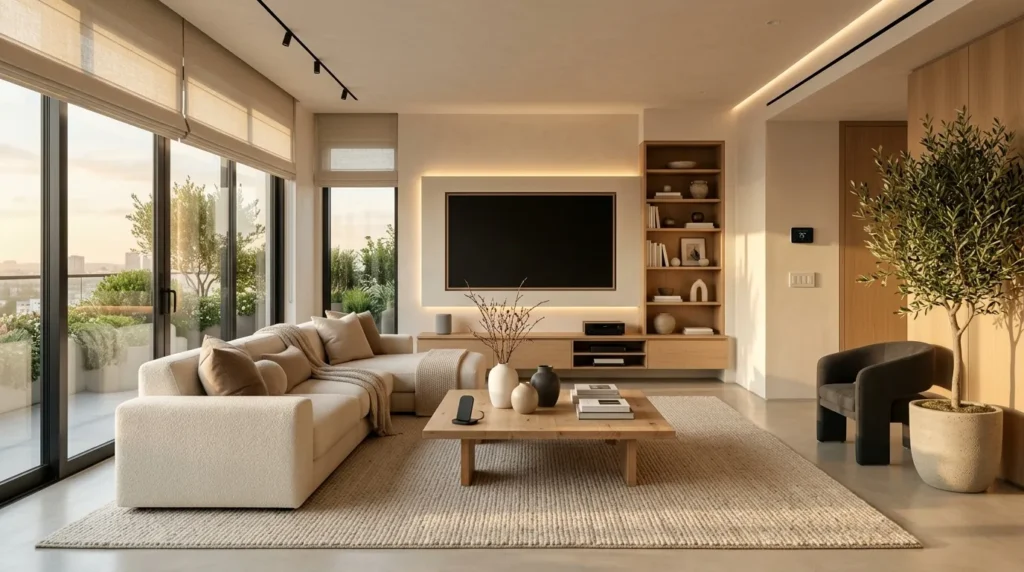
1. Light Color Palette
Learn how soft, neutral colors reflect light and create the illusion of a larger, brighter room.
2. Multi-Functional Furniture
Choose furniture that works harder by offering hidden storage and multiple uses without taking up extra space.
3. Smart Mirror Placement
Use mirrors strategically to reflect light, expand visual depth, and make compact rooms appear more open.
4. Vertical Storage
Maximize wall space with shelving and storage solutions that keep floors uncluttered.
5. Natural Light Flow
Discover simple ways to brighten your home by allowing more natural light to move freely.
6. Layer Cozy Textures
Create warmth and dimension with rugs, fabrics, wood, and woven accents without adding clutter.
7. Style with Accessories
Use carefully selected décor pieces to add personality while maintaining a clean, balanced look.
8. Bring in Greenery
Introduce indoor plants to soften hard lines and make every room feel fresh and inviting.
9. Create Balance
Arrange furniture and décor thoughtfully to improve flow and make small rooms feel more spacious.
10. Finish with Personality
Complete your space with meaningful details that reflect your lifestyle while keeping the design timeless.
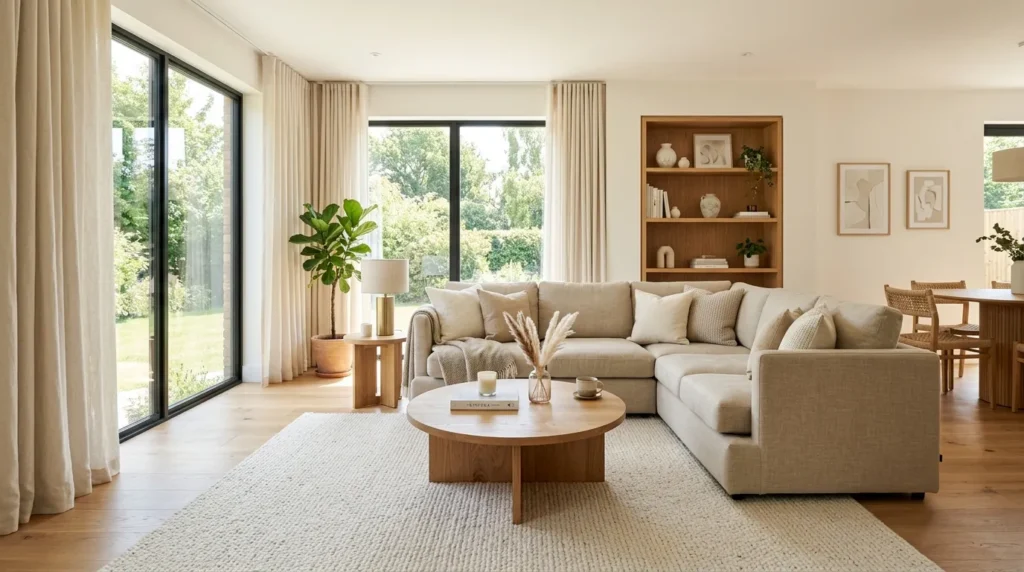
1. Light Color Palette
Quick Benefits
- Makes rooms feel larger
- Reflects more natural light
- Creates a calm atmosphere
- Works with every decorating style
- Provides a timeless foundation
Why It Works
One of the easiest ways to make a small room feel bigger is by choosing a light, cohesive color palette. Shades like warm white, ivory, soft beige, greige, and pale gray reflect significantly more light than darker colors, helping walls visually recede instead of closing the room in.
A consistent palette also reduces visual interruptions, allowing the eye to move smoothly throughout the space. Rather than focusing on where the room ends, your attention naturally shifts to the overall openness. That’s why many interior designers rely on neutral colors when decorating smaller homes—they create an airy, relaxed feeling that never goes out of style.
How To Style It
Paint walls, ceilings, and trim in complementary light shades to create a seamless appearance. Choose furniture in similar neutral tones and introduce subtle contrast through textured pillows, woven baskets, natural wood, and soft textiles instead of bold color changes.
If you’d like to include color, use muted greens, dusty blues, or warm terracotta in artwork, decorative accessories, or throw blankets rather than painting entire walls. This keeps the room feeling spacious while adding warmth and personality.
2. Multi-Functional Furniture
Quick Benefits
- Saves valuable floor space
- Reduces clutter
- Adds hidden storage
- Increases functionality
- Makes rooms more flexible
Why It Works
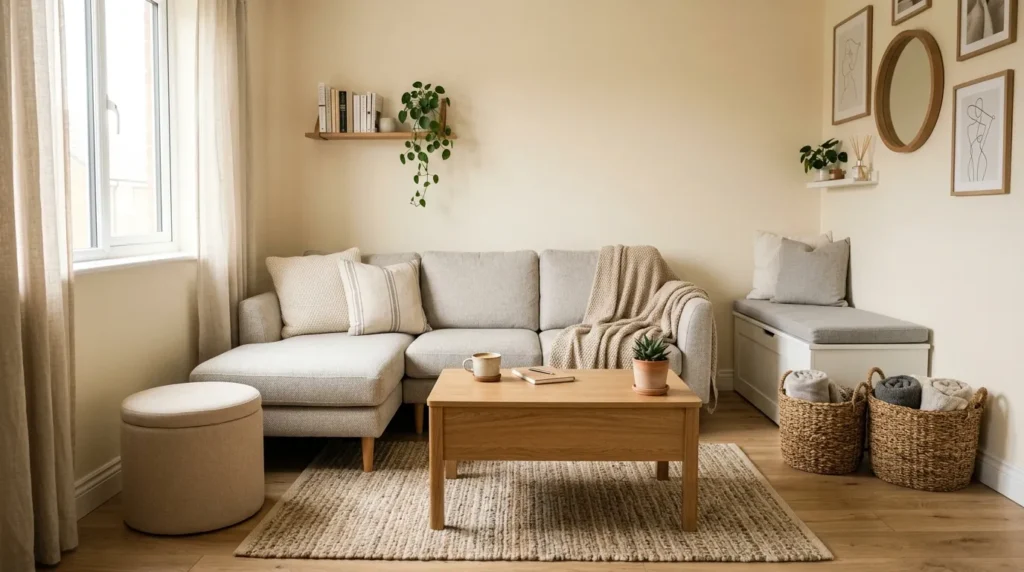
In smaller homes, every piece of furniture should serve a purpose. Multi-functional furniture helps maximize limited square footage by combining storage and everyday functionality into one practical design. Instead of filling a room with several individual pieces, you can simplify your layout while keeping everything organized.
I’ve seen storage ottomans, lift-top coffee tables, and platform beds with built-in drawers completely transform compact spaces. These versatile pieces reduce visual clutter while providing convenient storage for blankets, books, seasonal décor, and other everyday essentials that might otherwise be left out.
How To Style It
Choose a coffee table with hidden storage to keep remote controls, magazines, and extra throws tucked away. Storage benches work beautifully in entryways or beneath windows, while nesting tables provide additional surfaces only when needed.
Look for beds with built-in drawers, extendable dining tables, and sofas with concealed storage compartments. Selecting furniture with exposed legs instead of bulky bases also helps maintain an open, airy appearance.
3. Smart Mirror Placement
Quick Benefits
- Reflects natural light
- Creates visual depth
- Brightens darker areas
- Enhances openness
- Adds elegant style
Why It Works
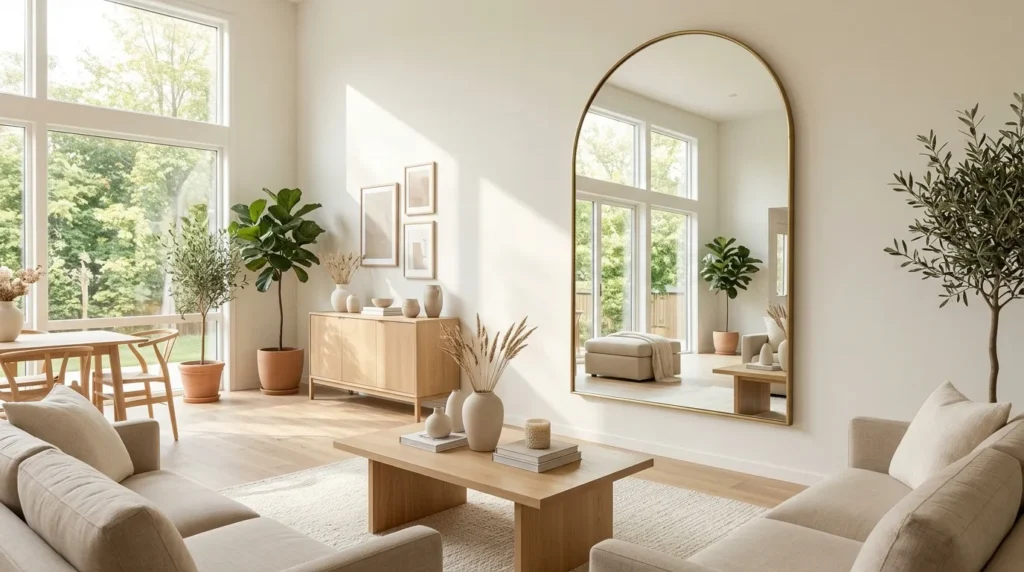
Mirrors are one of the oldest and most effective decorating tricks for making small rooms appear larger. By reflecting both natural and artificial light, they brighten the entire space while creating the illusion of additional depth.
Large mirrors positioned across from windows work especially well because they bounce daylight throughout the room, reducing shadows and making every corner feel more open. Even decorative mirrors placed strategically above consoles or fireplaces contribute to a brighter, more expansive atmosphere.
How To Style It
Hang a large mirror opposite your biggest window whenever possible to maximize natural light. Oversized leaning mirrors can also make bedrooms feel taller, while round mirrors soften rooms filled with straight furniture lines.
Choose frames that complement your decorating style—natural wood for farmhouse homes, slim black metal for modern interiors, or brushed brass for timeless elegance. Avoid placing mirrors where they’ll reflect clutter, as they’ll visually double the mess instead of enhancing the room.
4. Vertical Storage
Quick Benefits
- Maximizes unused wall space
- Keeps floors open and uncluttered
- Creates the illusion of higher ceilings
- Adds stylish storage solutions
- Improves everyday organization
Why It Works
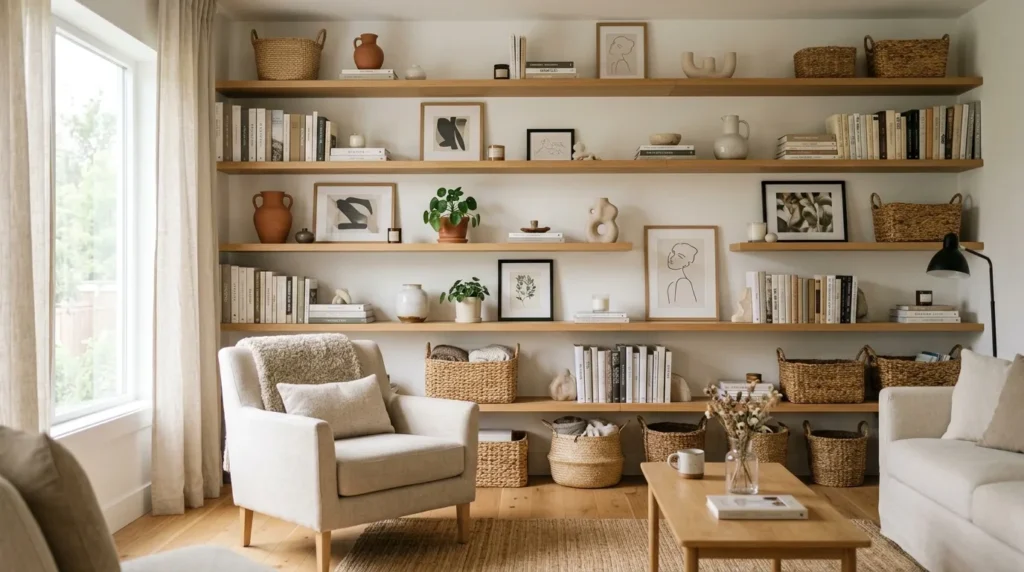
When floor space is limited, the best place to expand is upward. Vertical storage makes use of empty wall space that often goes unnoticed, allowing you to organize your belongings without overcrowding the room. By drawing the eye upward, tall shelves, cabinets, and wall-mounted storage naturally make ceilings appear higher and rooms feel more spacious.
One mistake many homeowners make is relying only on low furniture, which can leave walls feeling empty while valuable storage opportunities go unused. Adding height through shelving and vertical décor creates balance, improves organization, and gives the room a more thoughtfully designed appearance.
How To Style It
Install floating shelves above sofas, desks, or console tables to display books, framed artwork, and decorative accents. Use tall bookcases instead of multiple smaller storage units to maximize vertical space while maintaining a clean layout.
Choose matching woven baskets or decorative storage boxes to keep everyday items neatly organized. Keep heavier objects on lower shelves and lighter decorative pieces near the top for a balanced, visually appealing display. If possible, paint shelves the same color as the wall to create a seamless built-in look.
5. Natural Light Flow
Quick Benefits
- Makes rooms feel brighter
- Creates the illusion of more space
- Improves mood and comfort
- Highlights architectural details
- Reduces the need for artificial lighting
Why It Works
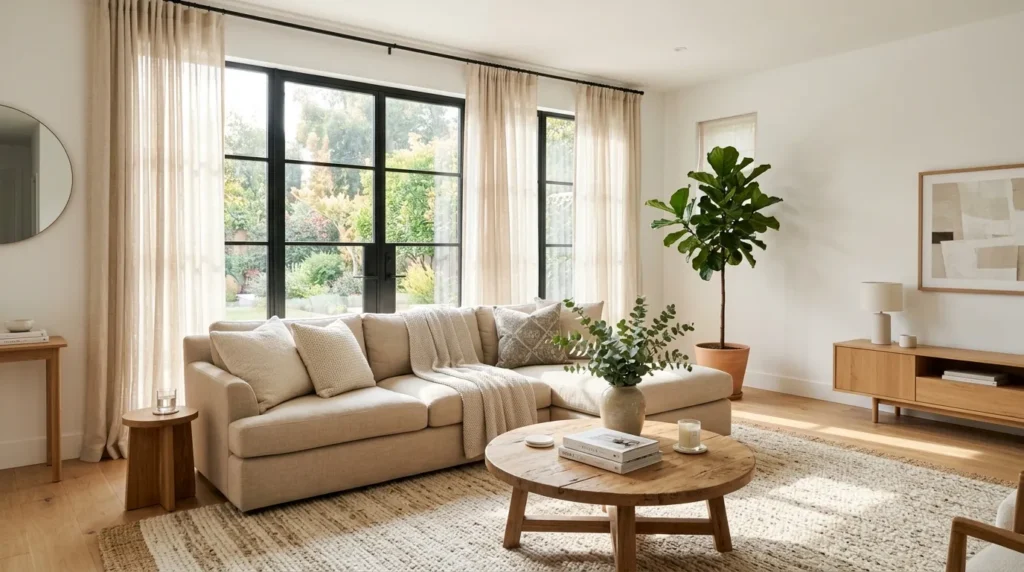
Natural light is one of the most powerful tools for making a small room feel larger. Bright spaces naturally appear more open because daylight reduces harsh shadows and visually expands the room. Even the most beautifully decorated space can feel smaller if windows are blocked by bulky furniture or heavy curtains.
I’ve noticed that simply allowing more sunlight to enter a room often transforms its entire atmosphere. That’s why many designers recommend treating windows as a feature instead of covering them with thick fabrics that limit incoming light.
How To Style It
Replace heavy drapes with sheer linen or lightweight cotton curtains that allow sunlight to filter through while still offering privacy. Hang curtain rods several inches above the window frame and extend them beyond each side of the window to make both the windows and ceilings appear larger.
Keep furniture away from windows whenever possible to avoid blocking natural light. Add glass or reflective décor pieces near windows to gently bounce sunlight throughout the room without creating glare.
6. Layer Cozy Textures
Quick Benefits
- Adds warmth and comfort
- Creates depth without adding clutter
- Makes simple color palettes feel luxurious
- Softens modern furniture
- Gives rooms a professionally styled appearance
Why It Works
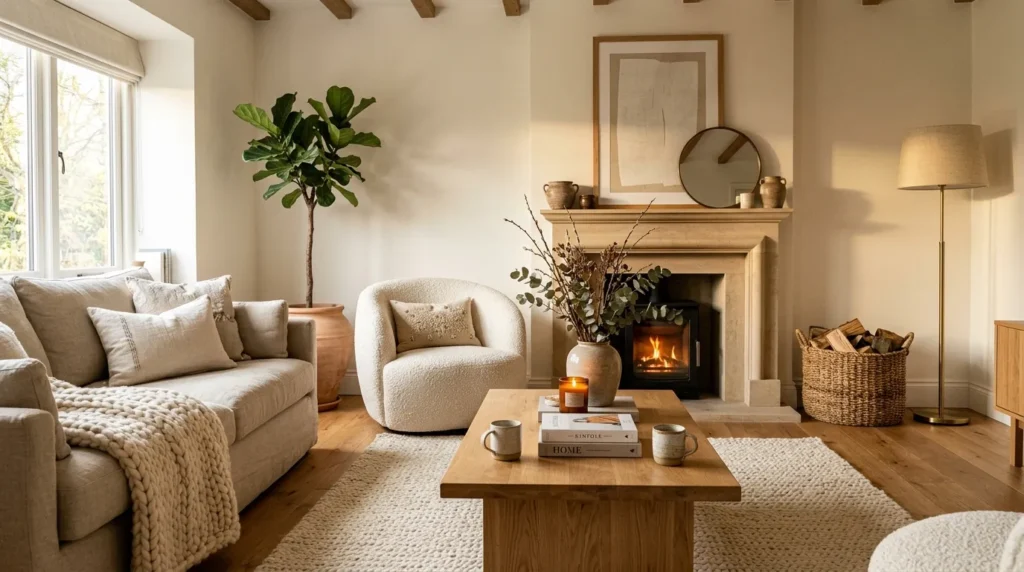
A small room doesn’t need bold colors to feel interesting—it needs texture. Layering different materials adds richness and dimension while maintaining a calm, uncluttered look. Soft fabrics, woven fibers, natural wood, ceramics, and textured rugs work together to create visual contrast that makes a room feel warm and inviting.
Instead of relying on busy patterns or oversized décor, professional designers often combine a variety of textures within the same neutral color palette. This creates depth without overwhelming the space, making even compact rooms feel cozy, elegant, and thoughtfully designed.
How To Style It
Begin with a textured area rug to anchor the seating arrangement, then layer linen or cotton throw pillows in coordinating neutral shades. Add a chunky knit blanket over the sofa and incorporate woven baskets, wooden furniture, and ceramic accessories to introduce natural variation.
Mix finishes such as oak, rattan, leather, boucle, wool, and matte ceramics for a balanced look. Complete the room with floor-length linen curtains that soften the space while making the ceilings appear taller and the room feel brighter.
7. Style with Accessories
Quick Benefits
- Adds personality without creating clutter
- Completes the overall design
- Creates beautiful focal points
- Easy to refresh with the seasons
- Makes your home feel warm and inviting
Why It Works
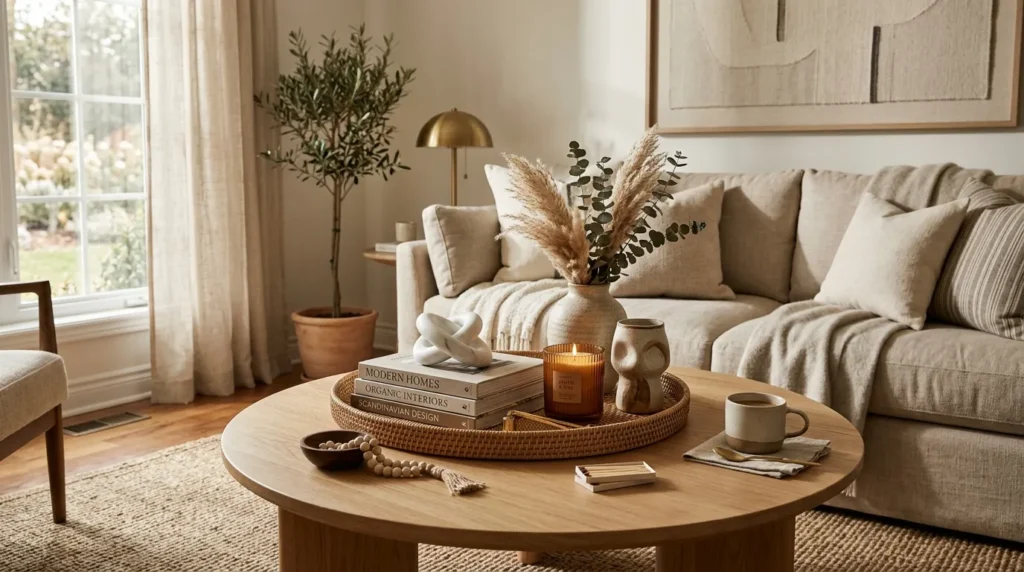
Accessories are often the finishing touch that brings an entire room together. While furniture provides function, decorative accents create character and help your home feel personal rather than staged. The key is choosing pieces intentionally instead of filling every empty surface.
I’ve found that a few carefully selected accessories have a much bigger impact than dozens of small decorative items. Mixing different heights, textures, and shapes creates visual interest while maintaining a clean, balanced look. This approach also makes it easy to update your décor throughout the year without completely redesigning the room.
How To Style It
Start by styling your coffee table with a decorative tray that holds a candle, a small vase, and one or two coffee table books. Layer shelves with framed artwork, ceramic vases, woven baskets, and sculptural objects to add texture and personality.
Follow the “rule of three” by grouping accessories in odd numbers for a more natural appearance. Leave some empty space on shelves and tabletops to prevent the room from feeling overcrowded. When every decorative item has room to breathe, the entire space looks more polished and thoughtfully designed.
8. Bring in Greenery
Quick Benefits
- Adds natural beauty
- Softens clean lines
- Introduces fresh color
- Creates a calming atmosphere
- Makes every room feel more inviting
Why It Works
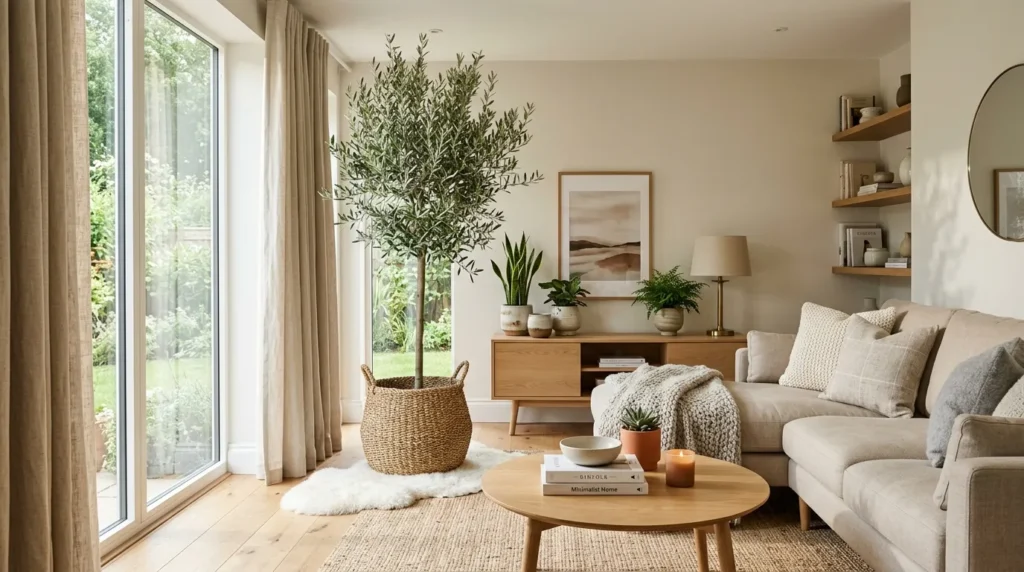
Nothing transforms a room quite like greenery. Plants add life, movement, and texture while making interiors feel brighter and more welcoming. Whether you choose one dramatic floor plant or several smaller varieties, greenery helps soften furniture and hard architectural lines without overwhelming the space.
One thing that works especially well is placing larger plants in empty corners where furniture alone might make the room feel heavy. Even realistic faux plants can create the same designer-inspired look with little maintenance, making them a practical option for busy households.
How To Style It
Place a tall olive tree, fiddle leaf fig, or rubber plant near a bright window to add height and soften unused corners. Smaller plants work beautifully on floating shelves, side tables, console tables, or open bookcases.
Choose woven baskets, textured ceramic planters, or natural stone pots that coordinate with your decorating style. Mixing different plant sizes creates a layered, organic look that feels collected rather than overly planned.
9. Create Balance
Quick Benefits
- Improves visual flow
- Prevents the room from feeling crowded
- Creates a peaceful atmosphere
- Makes layouts feel intentional
- Enhances overall comfort
Why It Works
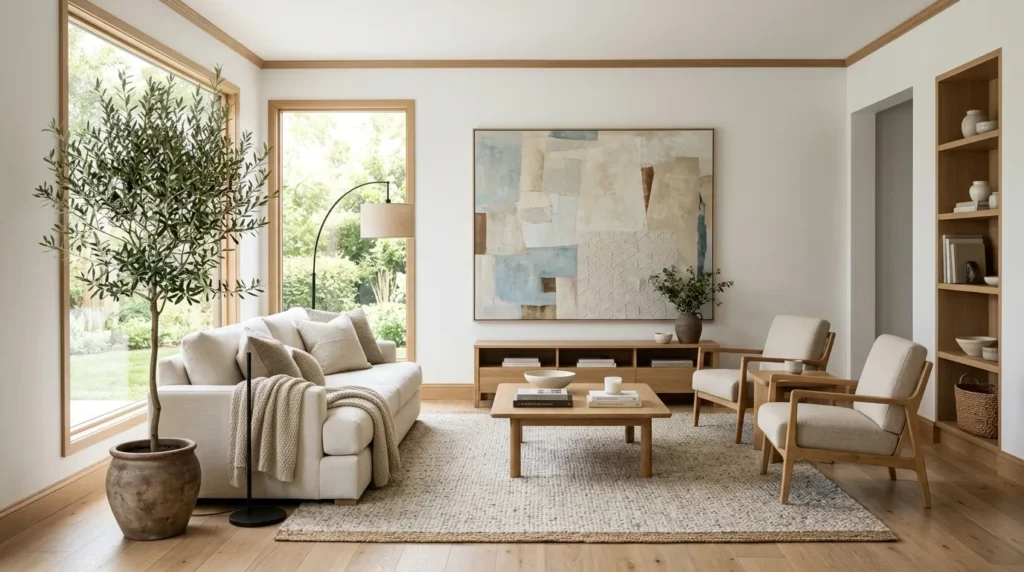
Balance is one of the most important principles in interior decorating because it creates harmony throughout a room. When furniture, lighting, artwork, and décor are distributed evenly, the space naturally feels more comfortable and visually pleasing.
A mistake many homeowners make is placing too much furniture or décor on one side of the room while leaving another area empty. This uneven arrangement can make a small room feel even smaller. By thoughtfully repeating colors, textures, and materials throughout the space, you create a sense of continuity that makes the room appear larger and more cohesive.
How To Style It
If your sofa is positioned along one wall, balance it with a pair of accent chairs, a floor lamp, or a large indoor plant on the opposite side. Repeat similar finishes—such as wood tones, metal accents, or neutral fabrics—throughout the room to create consistency.
Use mirrors, artwork, lighting, and greenery to distribute visual weight evenly without making the room feel overly symmetrical. The goal is a relaxed, welcoming layout that feels naturally balanced.
10. Finish with Personality
Quick Benefits
- Reflects your unique style
- Creates a welcoming atmosphere
- Adds warmth and authenticity
- Makes the space memorable
- Gives the room timeless appeal
Why It Works
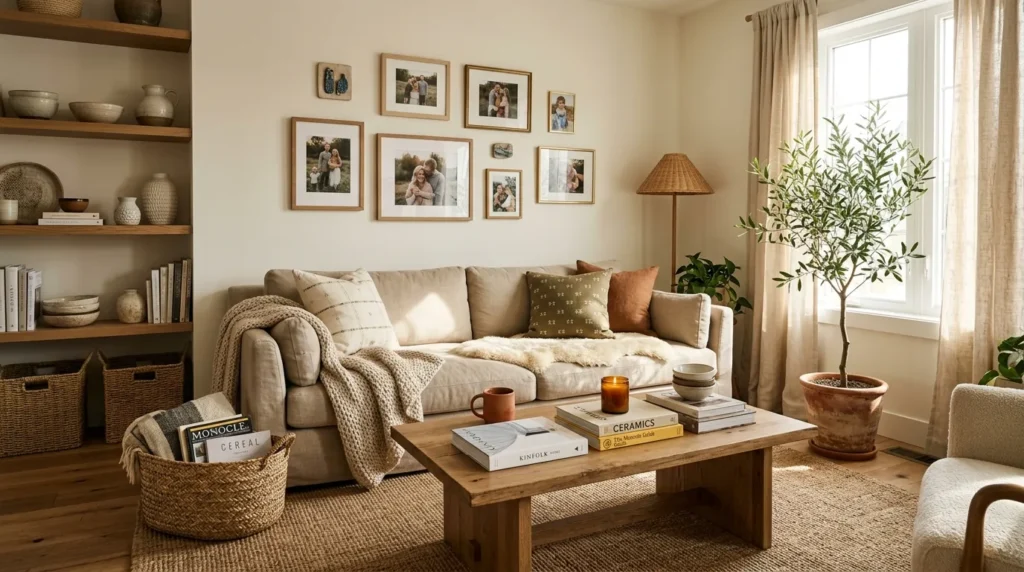
The most beautiful homes aren’t perfect—they’re personal. While design inspiration is helpful, your living space should reflect your lifestyle, interests, and experiences rather than looking exactly like a showroom. Personal touches are what make a house truly feel like home.
I’ve seen beautifully decorated rooms feel cold simply because they lacked meaningful details. Family photographs, favorite books, travel souvenirs, handmade pottery, vintage treasures, and meaningful artwork create warmth that can’t be achieved with store-bought décor alone. These thoughtful additions tell your story while giving the room lasting character.
How To Style It
Display artwork that genuinely inspires you instead of following every decorating trend. Mix heirloom pieces with modern furniture, style open shelves with favorite books and collected objects, and include handmade accessories that bring personality to the room.
Continue editing your space over time by removing items that no longer serve a purpose and adding pieces that hold meaning. A thoughtfully curated room always feels more timeless than one filled with temporary trends.
Frequently Asked Questions
1. How can I make a small room look bigger without remodeling?
You can make a small room feel much larger by using light paint colors, maximizing natural light, choosing furniture with exposed legs, adding mirrors, and keeping the layout simple. Vertical storage and multifunctional furniture also help reduce clutter while creating a more open, airy appearance without the cost of a renovation.
2. What colors make a small room feel more spacious?
Soft, light shades such as warm white, ivory, beige, greige, pale gray, and light taupe reflect natural light and visually expand a room. These colors create a seamless backdrop that allows furniture and décor to blend together, making the space feel brighter and more open.
3. Does furniture size matter in a small space?
Yes. Oversized furniture can quickly overwhelm a compact room and limit movement. Instead, choose appropriately scaled pieces that fit the dimensions of your space. Furniture with slim profiles, raised legs, and built-in storage provides functionality without making the room feel crowded.
4. Are mirrors really effective for making a room look bigger?
Absolutely. Mirrors reflect both natural and artificial light, creating the illusion of greater depth and brightness. Positioning a large mirror opposite a window is one of the simplest and most effective ways to make a small room feel larger while enhancing the overall design.
5. How do I decorate a small room without creating clutter?
Focus on decorating with intention rather than quantity. Select a few meaningful accessories, keep surfaces organized, and incorporate hidden storage whenever possible. Layering textures instead of adding excessive décor creates visual interest while maintaining a clean, spacious appearance.
6. What’s the biggest mistake people make when decorating small spaces?
One of the most common mistakes is filling every available corner with furniture or decorative items. Too many pieces interrupt visual flow and make the room feel cramped. Leaving some open space allows natural light to travel freely and gives the room a lighter, more comfortable feel.
Conclusion
Creating a beautiful home isn’t about having more square footage—it’s about making the most of the space you already have. Thoughtful decorating choices can dramatically change how a room looks and functions, allowing even the smallest spaces to feel brighter, larger, and more welcoming.
From choosing a light color palette and maximizing natural light to investing in multifunctional furniture and incorporating layered textures, each idea in this guide works together to create a home that feels comfortable without sacrificing style. Small improvements often have the biggest impact, especially when every piece serves both a functional and decorative purpose.
Remember that decorating is a journey rather than a race. Start with one or two ideas that best suit your home and gradually build a space that reflects your personality and supports your everyday lifestyle. As your needs change, your home can evolve with you while maintaining a timeless and cohesive look.
No matter the size of your home, thoughtful design allows every room to feel more open, organized, and inviting. With a little planning and creativity, you can create a space that not only looks beautiful in photos but also feels comfortable every day.
Related Articles
- 10 Cozy Living Room Ideas That Feel Warm and Inviting
- 12 Small Bedroom Decorating Ideas for Maximum Comfort
- 10 Neutral Home Décor Ideas for a Timeless Look
- 15 Apartment Decorating Ideas You’ll Want to Copy
- 10 DIY Home Organization Ideas That Reduce Clutter